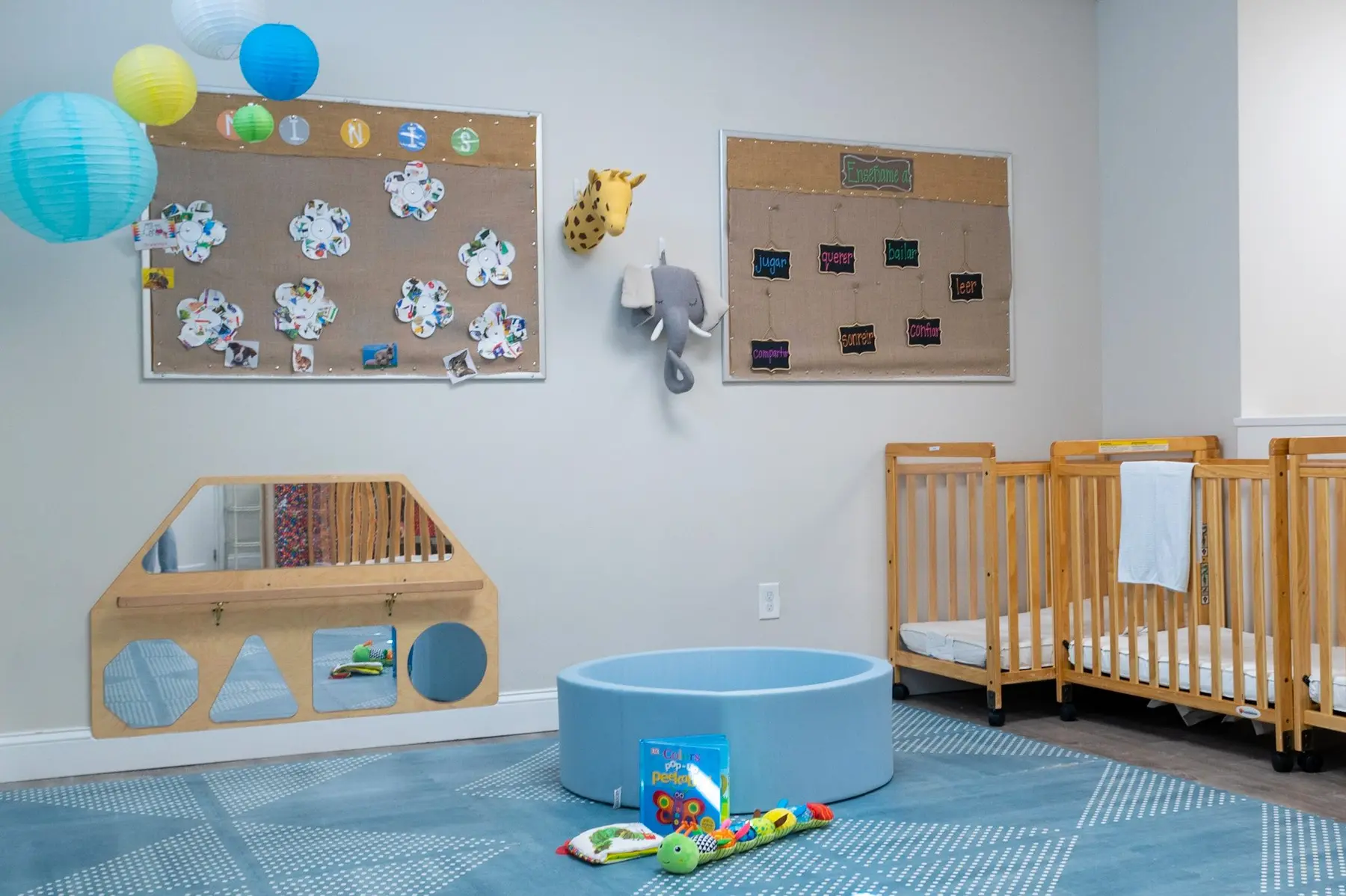
INFANT
Babies are rocked, held, fed, sung to and played with, building emotional, physical and intellectual growth.
Explore INFANTThis finished website is ready. Pick the monthly plan you want and activate it without scheduling a call.
We run your website for you.
We run your front desk for you.
We run your front office for you.
You'll be taken to secure card checkout (Stripe). The website, hosting, and owner portal activate automatically after payment. Texting switches on once the carriers approve your registration, usually 1–2 weeks. See everything in each plan →
Your website is saved. Please try secure checkout again in a few minutes — no call is required.
Your owner account is being activated and the clean production version is publishing automatically. Watch your email for the portal invite.
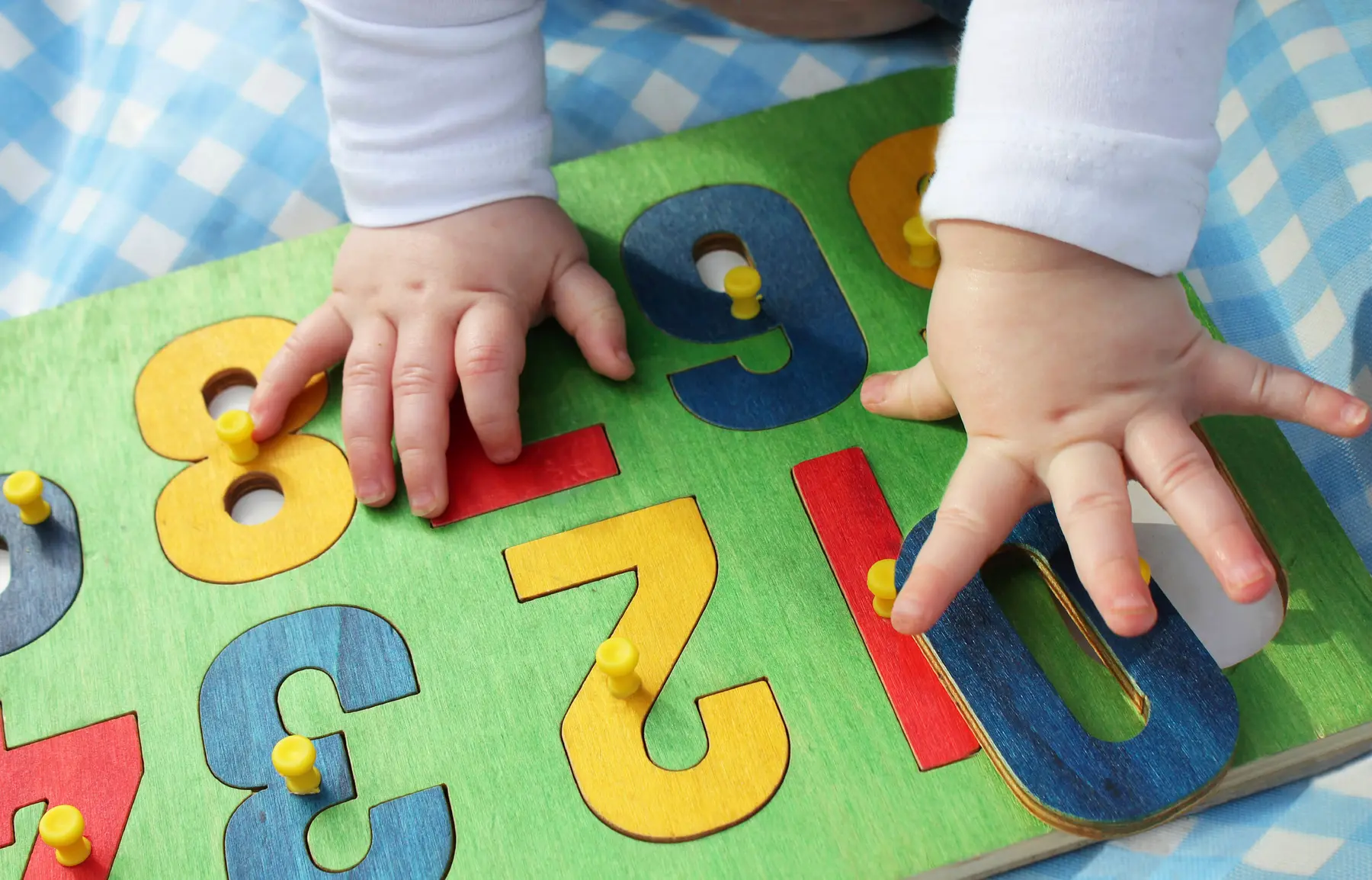
Children move up room by room as they grow, from infants through pre-K.
Babies are rocked, held, fed, sung to and played with, building emotional, physical and intellectual growth.
Explore INFANT
Young toddlers explore the room safely, with short projects and games planned to hold their attention.
Explore TRANSITION TO YOUNG TODDLER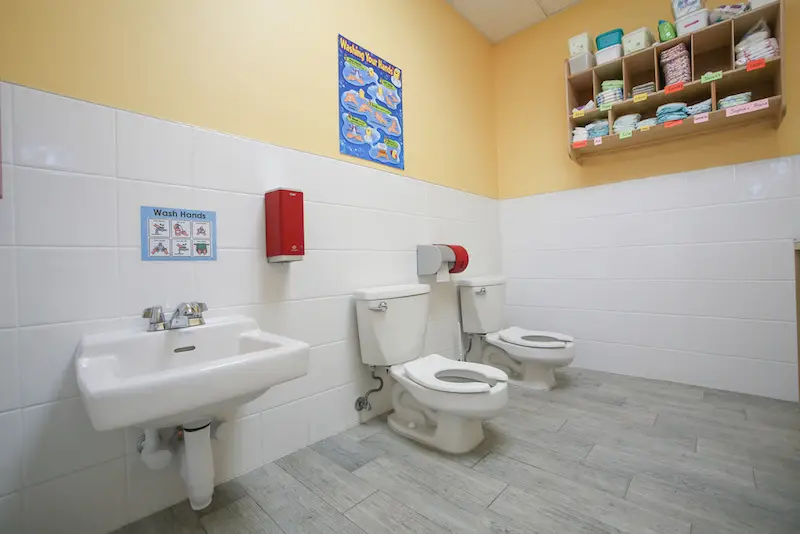
Two-year-olds get new things to explore, in a room set up so they can do it safely.
Explore HLC TRIMISNearly-three-year-olds begin managing their own activities, with a curriculum that prepares them for more structured learning.
Explore HLC JUNIORSChildren here are curious long before they can talk. Teachers follow that curiosity and build days around hands-on experiences, not worksheets. Play is the work: asking, testing, trying again. The goal is independence, and the quiet skill underneath it — learning to settle yourself, wait your turn, and keep going.
Rooms are set low, at child height. Shelves hold open baskets of blocks, books, and art supplies children can reach and choose themselves. The day keeps a steady rhythm: play, meals, rest, outdoor time. Children move between quiet corners and busy tables, and teachers sit on the floor beside them rather than at the front of the room.
On a visit, watch how teachers talk to children. They kneel to eye level, ask what a child is building, and wait for the answer. Watch how children move through the room without being herded from activity to activity. That mix of freedom and calm is the clearest sign of how a place runs.
Mornings start with a slow handover. A parent says goodbye, a teacher takes the child, and the child settles into something familiar, a song, a book, a favourite toy. For babies, that might mean being held and fed on their own schedule. For older children, it is a chance to greet a friend and choose what to do first.
The middle of the day moves between play and small-group learning, with meals and rest in between. Children explore materials hands-on, ask questions, and try things again. Toddlers cycle through short projects and games because their attention does not last long. Older children take on more of their own activity, with teachers directing the next step. Rest time gives everyone a breather.
Afternoons slow down. There is time to finish a project, look at a book, or play quietly while children wait for pickup. A teacher will tell you how the day went and what your child was working on, and you can ask about anything you noticed. Then it is shoes, bag, coat, and out the door.
At pickup, teachers tell you what your child did, what they ate, how they slept, and what they were working on. If you have a question, ask it then, or call or email the office. We would rather answer a small question early than have it sit. Parents and caregivers are the first teachers, and we want the two sides working together.
New children start with shorter days and build up, so goodbye doesn't stretch too long. Teachers ask what soothes your child at home — a song, a blanket, a certain order to the morning — and follow it here. Parents can call midday to check in. Ask the director how your own child's first weeks will be paced.
Call 201-974-9800 or email maddy@hudsonlearning.com. Tell us your child's age and the days you need.
Come see the classroom your child would join and meet the teachers who run it. Bring your child with you.
Complete enrollment and plan a first week that suits your child's routine. Ask us what to bring on day one.
Children from aged 6 weeks to pre-K as well as school-aged children.
Families usually decide after seeing the rooms and meeting the teachers, so book a visit and bring your child along. Children can walk the space, try the toys, and meet the people who would care for them during the day.
A change of clothes, diapers or pull-ups if your child needs them, and a comfort item from home. Label everything with your child's name. Ask the office about meals and what else the room provides.
Schedules depend on your child's age group and what openings we have. Call or email us and we will tell you what is available.
Yes, tell us your child's age and we will let you know when a place opens for them. The office can tell you how that works.